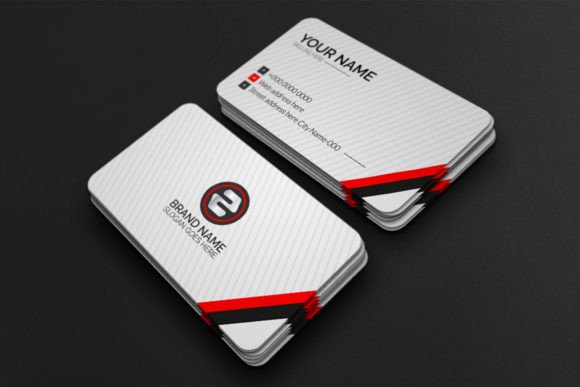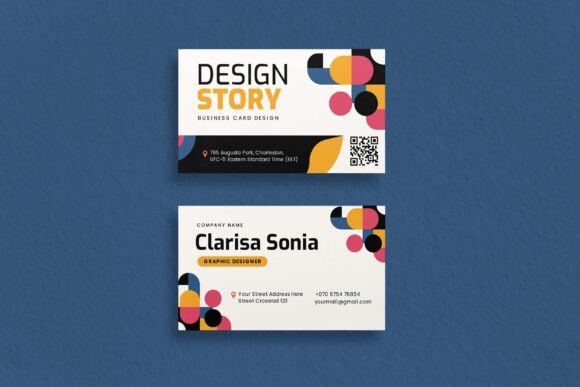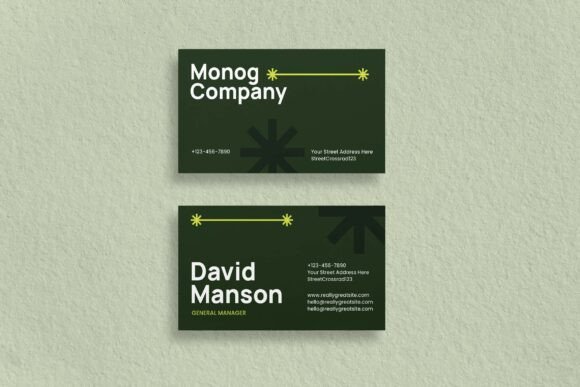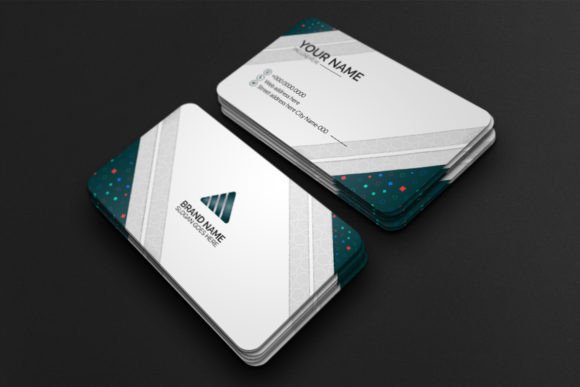
Redefining First Impressions: The Strategic Value of a Customizable Personal Business Card in the Digital Age
In an era dominated by LinkedIn connections, QR code networking, and instant digital exchanges, one might assume that the physical exchange of contact information has become obsolete. Yet, for professionals, creators, entrepreneurs, and marketers, the tactile moment of handing over a business card remains a pivotal interaction. It is not merely about data transfer; it is about establishing presence, credibility, and aesthetic alignment before a single word of conversation is exchanged. This is where the Personal Business Card transcends its traditional role, evolving from a simple utility into a critical component of personal branding.
The modern professional landscape demands more than just functional connectivity. It requires visual storytelling. A generic, text-heavy card no longer suffices to capture attention in a crowded marketplace. Instead, there is a growing preference for designs that are fully customizable, technically robust, and visually striking. This shift has elevated the importance of high-quality, editable templates compatible with industry-standard software like Adobe Photoshop and Adobe Illustrator, ensuring that every detail reflects the individual’s unique style and professional standards.
Bridging Creativity and Technical Precision
The relevance of a premium Personal Business Card template lies in its ability to bridge the gap between artistic vision and technical execution. In the creative industries, as well as in corporate sectors, the expectation is no longer just for a clean layout but for a design that demonstrates technical proficiency. The inclusion of specific file formats—such as IDML (InDesign), AI (Illustrator), PSD (Photoshop), and Vector EPS files—signals a commitment to quality and adaptability.
For instance, the availability of an Illustrator File Added alongside a Photoshop File Added ensures that users can manipulate both vector shapes and raster effects with precision. This dual compatibility allows designers and non-designers alike to achieve professional results. The Vector EPS File Added further guarantees that logos and graphical elements remain crisp at any scale, a crucial feature for resizing cards or adapting designs for different print mediums without loss of quality. This level of technical flexibility addresses the changing needs of freelancers and agencies who require assets that can be easily modified for various clients or personal rebranding efforts.
Understanding the Workflow: From Design to Print
One of the most significant pain points in producing marketing materials is the complexity of the pre-press process. Historically, amateur designers often faced issues with color mismatches, blurry images, or cut-off text due to improper bleed settings. A modern, comprehensive Personal Business Card template mitigates these risks by providing a structured, user-friendly workflow.
The download typically includes IDML files, which are essential for InDesign users, allowing for seamless integration of paragraph styles and master pages. These files ensure that typography is consistent and aligned with global design standards. Furthermore, the inclusion of bleeds is critical. Bleeds refer to the area outside the trim line that ensures color or images extend to the very edge of the card after cutting. Without proper bleed settings, cards may have unsightly white borders, undermining the professional appearance. By providing these elements pre-configured, the template saves hours of troubleshooting and ensures that the final product meets commercial printing standards.
Additionally, the provision of separate layers within the Photoshop and Illustrator files empowers users to isolate specific design elements. Whether one wishes to change a background color, swap out a photo, or adjust the hierarchy of text, having organized layers makes the customization process intuitive. This ease of use is particularly valuable for entrepreneurs and marketers who may not have extensive graphic design training but need to produce high-quality collateral quickly. The Easy editable nature of these templates democratizes design, allowing anyone to create a polished look that rivals bespoke agency work.
Color Accuracy and Visual Impact
Visual fidelity is paramount in print media. The specification of CMYK Color mode in these templates is not a minor detail but a fundamental requirement for accurate color reproduction. Unlike RGB (Red, Green, Blue) used for screens, CMYK (Cyan, Magenta, Yellow, Key/Black) is the standard for printing. Many online templates are designed in RGB, leading to frustrating discrepancies where vibrant screen colors appear dull or muddy when printed. By providing a 300dpi resolution in CMYK, the Personal Business Card ensures that the colors you see on your monitor closely match the final printed product.
This attention to color accuracy is vital for brand consistency. For marketers and established businesses, maintaining brand integrity across all touchpoints is essential. A card that looks significantly different from digital assets can confuse customers and dilute brand recognition. The Resizable card feature, combined with vector shapes, allows for experimentation with dimensions while maintaining this color integrity. While the standard size is widely recognized, some professionals opt for alternative sizes to stand out, and the vector-based nature of the design supports such innovation without compromising image quality.
The Standard Dimensions and Practical Application
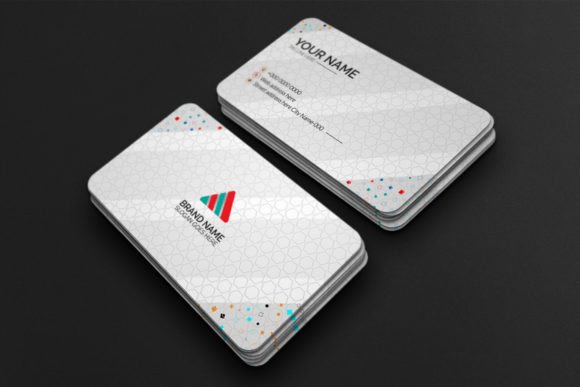
While creativity knows no bounds, practicality dictates certain norms. The standard 3.5×2 inches and 2×3.5 inches dimensions provided in these templates ensure compatibility with standard wallet slots, cardholders, and mailing envelopes. Adhering to these dimensions facilitates easy storage and handling, which is a subtle but important aspect of user experience. If a card is too large or oddly shaped, it may be discarded rather than kept, defeating the purpose of networking.
However, the flexibility to rotate these dimensions (landscape vs. portrait) allows for diverse compositional strategies. A landscape orientation might offer more horizontal space for a tagline or social media handles, while a portrait layout could emphasize a strong central logo or portrait. The Free Font use included in the package further enhances accessibility. Fonts are often licensed per user or per project, creating additional costs and legal complexities. By linking to free fonts, the template removes these barriers, allowing for immediate customization without worrying about font licensing violations. This is particularly beneficial for startups and independent creators operating on tight budgets.
Adapting to Modern Consumer Trends
The demand for customizable, high-quality business cards reflects broader trends in consumer behavior and professional expectations. Today’s consumers and B2B clients value authenticity and personalization. They are more likely to remember a person who presents a thoughtfully designed card that aligns with their aesthetic sensibilities than one who hands over a mass-produced, generic card. This trend is driven by the rise of the "creator economy," where individuals are their own brands.
Furthermore, the sustainability movement is influencing design choices. Many professionals now prefer digital-first strategies but still utilize physical cards for high-value face-to-face interactions. The longevity of a well-printed, durable card contrasts with the ephemeral nature of digital notifications. A beautifully crafted card serves as a tangible reminder of a meeting, potentially leading to future engagement. The JPG file 3 separated files included in the ZIP archive facilitate quick previews and social media sharing, bridging the physical and digital worlds. Users can showcase their new card design on Instagram or LinkedIn, generating buzz and reinforcing their professional identity online.
Conclusion: Investing in Professional Presence
The Personal Business Card is far from a relic of the past. It is a dynamic tool that, when equipped with the right technical specifications and design flexibility, can significantly enhance professional networking. The combination of Adobe Photoshop and Adobe Illustrator compatibility, along with the inclusion of IDML files, bleeds, and vector shapes, ensures that the end product is not only visually appealing but also technically sound.
For professionals, creators, and entrepreneurs, investing in a fully customizable template is an investment in their brand. It allows for a stylish and professional presentation that stands out in a competitive market. By understanding the nuances of print preparation—from CMYK color modes to 300dpi resolution—users can avoid common pitfalls and produce cards that leave a lasting impression. As the lines between digital and physical marketing continue to blur, the ability to seamlessly integrate high-quality print materials into a broader strategy remains a valuable skill. The Personal Business Card, therefore, represents more than just contact information; it is a statement of professionalism, creativity, and attention to detail.
- Key Takeaway: Choose templates that offer full editability through major design software to ensure long-term usability.
- Technical Tip: Always verify that your design files include proper bleeds and are set to CMYK mode before sending them to print.
- Strategic Insight: Use the versatility of vector files to experiment with different layouts and sizes while maintaining brand consistency.
Ultimately, the goal of any networking tool is to facilitate connection. A well-designed, easy-to-customize Personal Business Card lowers the barrier to entry for making a great first impression. It allows the content of your conversation to take center stage, supported by a visual foundation that communicates competence and care. In a world where attention is scarce, giving people something tangible and beautiful to hold onto is a powerful way to stay top-of-mind.