Mastering Professional Identity: The Strategic Value of a Visiting Card Business Card Template
In an era dominated by digital networking, QR codes, and LinkedIn connections, the physical exchange of contact information might seem like a relic of the past. However, for professionals seeking to leave a lasting impression, a high-quality Visiting Card Business Card remains an indispensable tool. It is not merely a piece of paper; it is a tangible extension of your brand identity, a conversation starter, and a symbol of professionalism. This article explores the nuances of designing, customizing, and utilizing premium business card templates, specifically focusing on the technical advantages of vector-based designs compatible with industry-standard software like Adobe Photoshop and Illustrator.
The Psychology of First Impressions in Physical Media
When you meet a potential client, employer, or collaborator, the first few seconds are critical. A well-designed business card serves as a visual anchor for that initial interaction. Unlike a digital profile that can be scrolled past instantly, a physical card demands attention. It conveys care, precision, and attention to detail. If the design is cluttered, low-resolution, or poorly printed, it subconsciously suggests a lack of professionalism. Conversely, a sleek, modern, and fully customizable template signals that you value quality and aesthetics.
The concept of a Visiting Card Business Card goes beyond simple contact details. It is about presenting yourself stylishly and professionally. The tactile experience—the weight of the paper, the finish, and the clarity of the graphics—creates a sensory memory associated with your name. In a competitive market, this subtle differentiation can be the deciding factor in whether a connection is pursued further.
Technical Specifications: Why Resolution and Color Matter
Understanding the technical backbone of a business card template is crucial for achieving a professional result. Many amateur designers overlook these specifications, leading to blurry prints or color mismatches. A premium template adheres to strict industry standards to ensure consistency between what you see on screen and what comes off the printer.
- CMYK Color Mode: Screens display colors using RGB (Red, Green, Blue), which is light-based. Printers use CMYK (Cyan, Magenta, Yellow, Key/Black), which is ink-based. A proper template must be set up in CMYK mode to prevent dull or shifted colors during printing. Our template ensures accurate color representation right from the source file.
- 300 DPI Resolution: Dots Per Inch (DPI) determines the sharpness of the print. While web images often suffice at 72 DPI, print materials require a minimum of 300 DPI to appear crisp and clear. Low-resolution assets will look pixelated when scaled to print size, ruining the professional aesthetic.
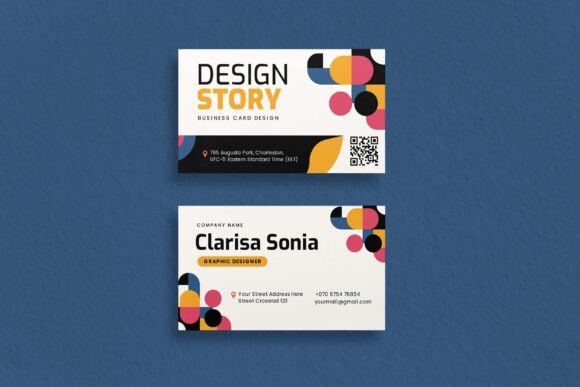
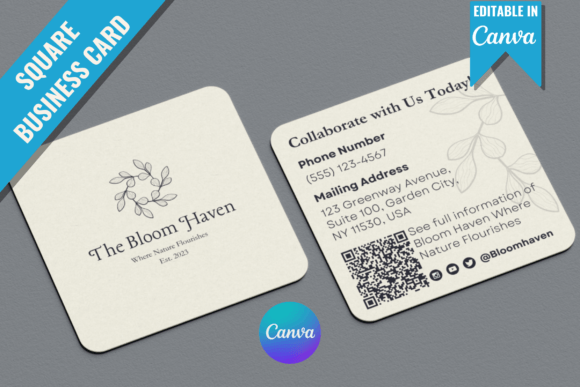
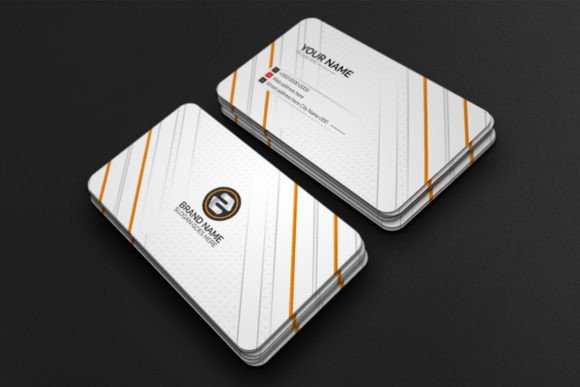
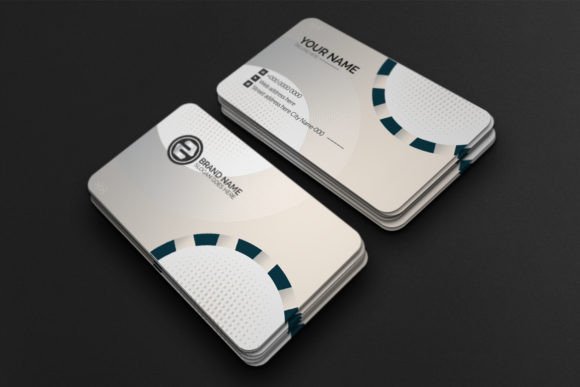
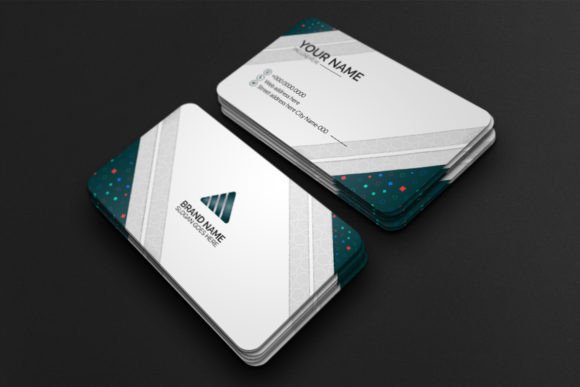
- Standard Dimensions: The most universally accepted size for a Visiting Card Business Card is 3.5 x 2 inches. However, alternative formats like 2 x 3.5 inches offer a vertical orientation that can stand out in a pile of horizontal cards. The template provided supports both orientations, allowing for creative flexibility while maintaining standard wallet-fit dimensions.
Design Flexibility: Vector Shapes and Resizable Cards
One of the most significant advantages of using a template built with vector shapes is scalability. Unlike raster images (like JPEGs or PNGs), which lose quality when enlarged, vector graphics are mathematically defined. This means you can resize elements within your design without any loss of clarity. Whether you need to adjust a logo, change the layout spacing, or create a variation for a different role within your company, vector-based editing ensures the output remains pristine.
This feature is particularly useful for creators and educators who may need to update their credentials frequently. With a Resizable card design, you are not locked into a static layout. You can experiment with hierarchy, moving the most important information to the forefront without worrying about jagged edges or blurred lines. This flexibility empowers users to tailor the design to specific contexts, such as a more conservative look for corporate finance or a vibrant, bold style for creative agencies.
Software Compatibility and Workflow Efficiency
For a template to be truly "fully customizable," it must be compatible with the tools professionals already use. The inclusion of files for both Adobe Photoshop and Adobe Illustrator caters to a broad spectrum of users, from graphic designers to small business owners with varying levels of technical expertise.
Adobe Illustrator and IDML Files
Illustrator is the gold standard for vector design. The package includes AI files compatible with Adobe Illustrator CC, ensuring that all layers, effects, and vector paths remain intact. Furthermore, the inclusion of IDML (InDesign Markup Language) files offers an additional layer of compatibility. IDML files allow for seamless integration with Adobe InDesign, providing robust typographic controls and layout management. This multi-format support ensures that regardless of your preferred workflow, you have access to a editable source file.
Adobe Photoshop Layers
For those who prefer pixel-based editing or need to incorporate complex photo manipulations, the Photoshop file is organized with separate layers. This structure makes it easy to isolate specific elements, such as changing a background texture or adjusting the opacity of a watermark. The separation of layers reduces the risk of accidentally altering other parts of the design, streamlining the customization process.
Streamlined Customization: Styles, Bleeds, and Fonts
A common pain point in using templates is the time required to make changes. A well-structured template minimizes this friction through intelligent organization.
- Paragraph Styles: Instead of manually formatting text each time, paragraph styles allow you to define font families, sizes, line heights, and colors once. Applying these styles to new text ensures consistency across the front and back of the card. This is essential for maintaining a cohesive brand voice.
- Bleeds: Professional printing requires "bleed" areas—extra space around the edge of the design that gets trimmed off. This prevents white borders from appearing if the cut is slightly off. The template includes pre-configured bleeds, so you don’t need to worry about technical printing errors. Your design extends safely beyond the cut line.
- Free Font Use: Licensing issues can derail a project. By including links to free fonts used in the design, the template ensures that you can edit the typography legally and without additional cost. This transparency allows for complete freedom in modifying the text without fear of copyright infringement.
Who Benefits from This Template?
The versatility of this Visiting Card Business Card template makes it suitable for a diverse audience. Here is how different groups can leverage its features:
Business Owners and Entrepreneurs
For startups and small business owners, branding is everything. A professional card helps establish credibility before a product is even demonstrated. The ability to easily customize the design allows entrepreneurs to align their card with their evolving brand identity, whether they are pivoting markets or launching a new service line.
Creatives and Freelancers
Graphic designers, photographers, and artists use their business cards as a portfolio piece. The vector nature of the template allows them to showcase their technical skills by manipulating complex shapes and layouts. The high-resolution output ensures that intricate details in their personal logo or artwork are reproduced faithfully.
Educators and Researchers
Academics and researchers often attend conferences where networking is key. A clean, readable design with clear contact information facilitates follow-up. The professional aesthetic conveys authority and trustworthiness, which is vital in academic and scientific communities.
Hobbyists and Content Creators
Even for hobbyists looking to monetize their passion, a business card provides a tangible link to their online presence. Whether promoting a YouTube channel, an Etsy shop, or a local workshop, the card serves as a bridge between offline interactions and digital engagement.
Implementation and Best Practices
Downloading the template is just the beginning. To get the most out of your Visiting Card Business Card, consider the following implementation steps:
- Review the Help File: Before opening the main files, read the included help documentation. It often contains quick tips on saving, exporting, and checking for missing links.
- Check Your Links: If you are using Photoshop, ensure all linked images are updated and placed correctly. Broken links can result in low-quality placeholders in the final export.
- Proofread Rigorously: Typos on a business card are permanent once printed. Use spell check, but also have a colleague review the text. Pay special attention to email addresses, phone numbers, and URLs.
- Select Quality Paper: The design is only half the equation. Choose a paper stock that complements the design. Heavier cardstock feels more substantial and luxurious. Consider finishes like matte, glossy, or soft-touch to enhance the tactile experience.
Conclusion
The effort invested in designing a professional Visiting Card Business Card pays dividends in how you are perceived by others. By leveraging a template that offers full customization, vector scalability, and industry-standard technical specifications, you ensure that your first impression is always a strong one. Whether you are a seasoned professional or just starting out, the right tools make the difference between a forgotten slip of paper and a memorable brand asset. With the included AI, PSD, EPS, and IDML files, you have everything you need to create a card that truly represents your unique identity.