Evaluating the Handmade Beautiful Business Card: A Practical Guide for Creative Professionals
In an era where digital networking often overshadows physical interaction, the business card remains a critical touchpoint for establishing credibility and leaving a lasting impression. However, not all cards are created equal. For designers, illustrators, freelancers, and small business owners, the choice of template can significantly impact how their work is perceived. The Handmade Beautiful Business Card has emerged as a notable option in the crowded marketplace of design assets, promising a blend of aesthetic appeal and technical versatility. This article provides a detailed evaluation of this template, exploring its features, compatibility, and suitability for various professional needs.
Understanding the Core Concept
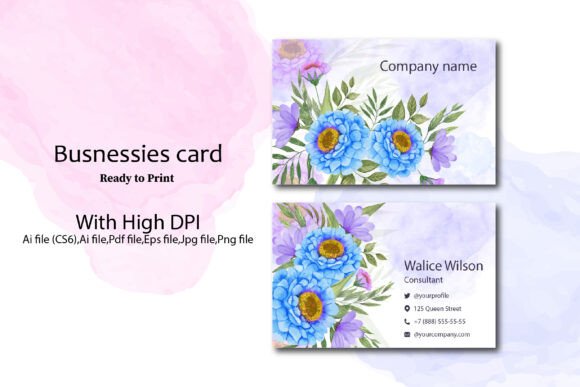
The term "Handmade" in the context of digital templates often refers to the visual style rather than the production method. The Handmade Beautiful Business Card leverages vector shapes and illustrations that mimic the organic, imperfect charm of hand-drawn art. This approach stands in stark contrast to the rigid, geometric precision of many corporate templates. By utilizing vector graphics, the design retains crisp edges and scalability while achieving a warm, artisanal look.
What makes this template distinct is its dual focus on artistic expression and functional utility. It is not merely a decorative object but a fully customizable tool designed to integrate seamlessly into existing creative workflows. The emphasis on RGB color modes and high-resolution output ensures that the final print matches the digital preview, a crucial factor for professionals who cannot afford costly reprinting errors.
Technical Specifications and Compatibility
When evaluating design resources, technical compatibility is often the first hurdle. The Handmade Beautiful Business Card is built with Adobe Illustrator in mind, making it an ideal choice for users already invested in the Adobe ecosystem. However, its utility extends beyond just one software platform due to the inclusion of multiple file formats.
- Adobe Illustrator File (.ai): This allows for deep customization. Users can edit text layers, swap out vector icons, adjust colors, and modify layout structures without losing quality.
- Vector EPS File: Essential for printing services that require scalable vector data. This format ensures that the intricate handmade details remain sharp regardless of the size they are printed at.
- JPG Added: High-resolution raster images are provided for quick previews or for use in platforms that do not support vector editing.
This multi-format approach reduces friction in the design process. Whether you are working in a studio environment or using a freelance platform, having access to both editable vectors and ready-to-use rasters provides flexibility. The template’s compatibility with standard design tools means that even those with intermediate skills can achieve professional results without needing advanced coding or graphic design degrees.
Resolution and Color Standards
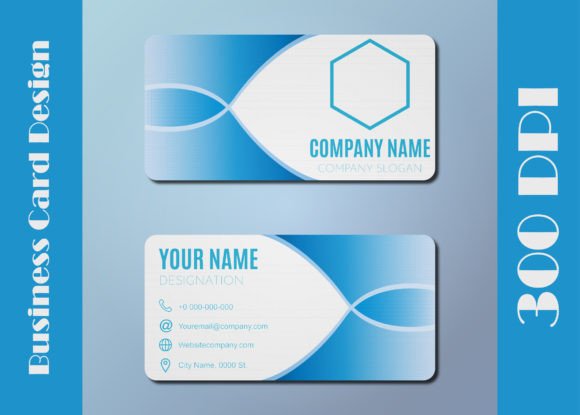
A common pitfall in DIY business card design is neglecting print specifications. The Handmade Beautiful Business Card addresses this by adhering to industry standards. It is set up in RGB color mode with a resolution of 300dpi. While 300dpi is typically associated with print (where CMYK is preferred), many modern digital-first printers and hybrid services accept high-quality RGB files, especially for vibrant, colorful designs. Users should always verify the specific requirements of their chosen printer, but starting with a high-quality base minimizes pixelation issues.
The dimensions provided—3.5×2 inches and 2×3.5 inches—cover the two most common orientations. The ability to switch between landscape and portrait layouts within the same template family offers versatility for different branding strategies. Some brands prefer the horizontal space for wide logos, while others opt for the vertical format for a more modern, minimalist stack.
Customization and Ease of Use
One of the primary selling points of this template is its ease of customization. The phrase "Easy editable" is frequently used in marketing materials, but in practice, what does that mean? In the context of the Handmade Beautiful Business Card, it implies a well-organized layer structure in Illustrator. Text boxes are pre-formatted, allowing users to simply click and type their name, title, and contact information. Vector shapes are grouped logically, enabling users to recolor elements or replace illustrations with their own artwork.
The inclusion of free fonts is another significant advantage. Font licensing can be a complex and expensive aspect of design projects. By providing free-to-use typography, the template removes legal ambiguity and cost barriers. Users can focus on content and layout rather than worrying about font substitution fees or compatibility issues. However, it is advisable to check the specific license terms of any included fonts to ensure they meet your intended use case, particularly for commercial distribution.
Comparing Approaches: Handmade vs. Minimalist vs. Corporate
To understand where the Handmade Beautiful Business Card fits, it is helpful to compare it with other common design approaches.
The Minimalist Approach
Minimalist cards rely on whitespace, simple typography, and limited color palettes. They convey sophistication and clarity. While effective, they can sometimes feel sterile or generic. The handmade style offers a counter-narrative, injecting personality and warmth through texture and illustration. If your brand identity is rooted in creativity, craft, or approachability, the handmade template may be a better fit than a stark minimalist design.
The Corporate/Geometric Approach
Corporate templates often feature strong grids, sans-serif fonts, and muted colors. These are safe choices for finance, law, or consulting firms. The Handmade Beautiful Business Card would likely be inappropriate for these sectors due to its informal aesthetic. However, for tech startups, creative agencies, or lifestyle brands, the handmade element can signal innovation and human-centric values.
Digital-Only Alternatives
Many professionals are moving away from physical cards entirely, opting for QR codes linked to digital portfolios or NFC-enabled cards. While this is a sustainable and efficient trend, physical cards still hold value in face-to-face interactions. A beautifully designed physical card acts as a tangible artifact that recipients are more likely to keep. The Handmade Beautiful Business Card serves as a bridge, offering the durability of print with the flexibility of digital design.
Strengths and Tradeoffs
No single solution is perfect. Understanding the tradeoffs helps in making an informed decision.
Strengths
- Scalability: As a vector-based design, the card can be resized without loss of quality. This is useful if you plan to create matching stationery, such as letterheads or social media banners.
- Aesthetic Appeal: The handmade illustration style stands out in a pile of standard business cards. It catches the eye and invites conversation.
- Cost-Effective: Compared to hiring a custom designer for a one-off card, purchasing a template like this offers a high return on investment, especially if you need multiple variations.
Potential Limitations
- Printer Constraints: While the template is high-quality, some specialized printing techniques (like foil stamping or embossing) may require specific file setups that differ from standard digital prints. Users must communicate clearly with their printer.
- Design Fatigue: Because templates are widely available, there is a risk that your card may look similar to others using the same asset. Customizing the vector elements significantly is necessary to ensure uniqueness.
- Software Dependency: Full customization requires Adobe Illustrator or compatible software. Users relying solely on free tools like Canva or GIMP may find the workflow more challenging, although the included JPGs offer a workaround for basic edits.
Who Is This Template Best Suited For?
The Handmade Beautiful Business Card is particularly well-suited for:
- Illustrators and Artists: Those who want their card to reflect their artistic style. The vector nature allows them to showcase their ability to create clean, scalable art.
- Freelance Designers: Individuals who need a quick, professional-looking asset to present to clients without spending weeks on a custom design.
- Small Business Owners in Creative Industries: Bakery owners, boutique shopkeepers, or craft makers who benefit from a warm, approachable brand image.
- Students and New Graduates: Those building their initial portfolio and network who need affordable, high-quality resources.
Conversely, professionals in highly regulated industries, such as healthcare or legal services, might find the playful nature of the handmade style less appropriate. In such cases, a more traditional template might convey the necessary trust and authority.
Final Considerations for Decision Making
Choosing the right business card template involves balancing aesthetics, functionality, and brand alignment. The Handmade Beautiful Business Card offers a compelling package for those seeking to stand out through artistic expression. Its technical robustness, including vector compatibility and standard print resolutions, ensures that the design looks good on screen and in print.
Before purchasing or downloading, consider the following steps:
- Review the Mockups: Look closely at how the design handles text and negative space.
- Check Font Licenses: Confirm that the included fonts allow for commercial use.
- Test Print: Always order a proof copy before mass printing to check color accuracy and paper quality.
By carefully evaluating these factors, you can determine whether the Handmade Beautiful Business Card aligns with your professional goals. It represents a thoughtful intersection of art and utility, offering a stylish way to present yourself in a competitive market.