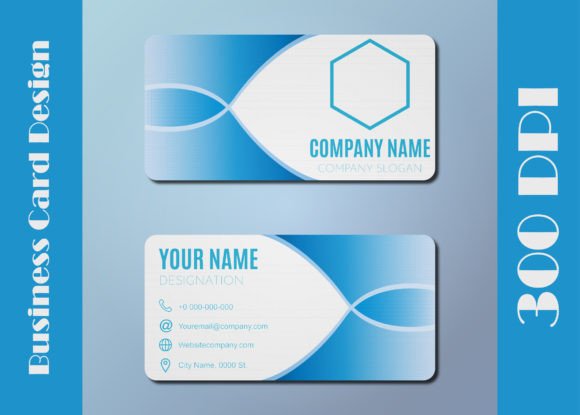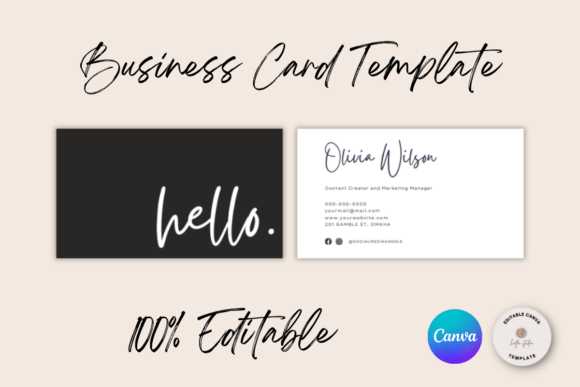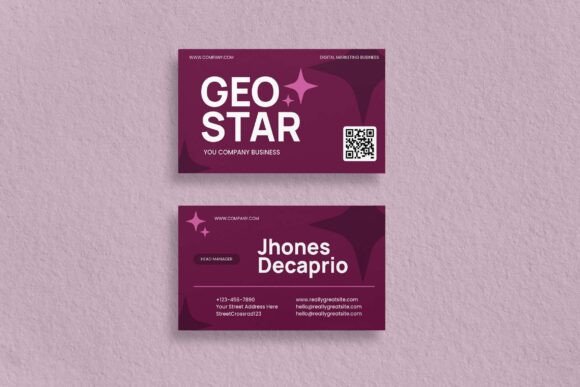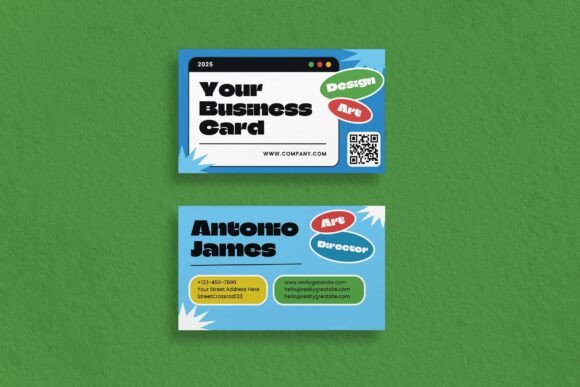
Creative Modern Business Card Design 3
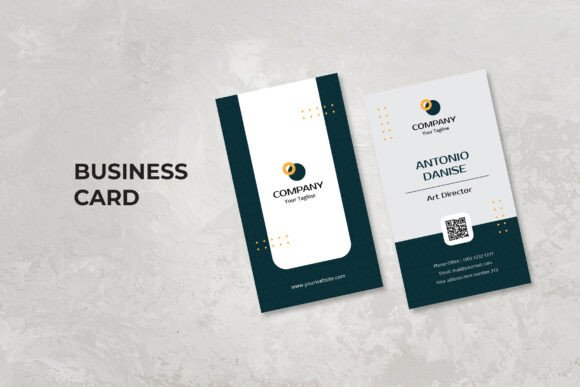
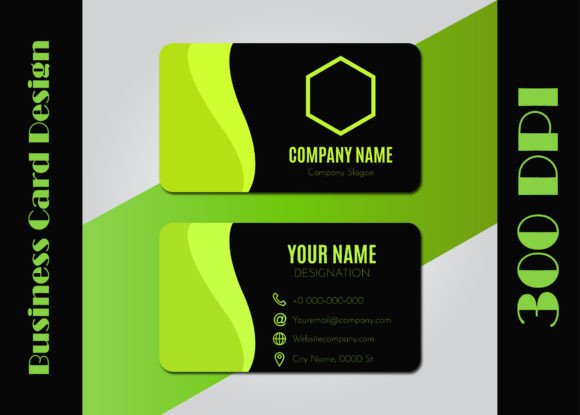
In an era where digital networking is instantaneous, the physical business card remains a powerful tool for making a tangible first impression. However, not all designs are created equal. Creative Modern Business Card Design 3 represents a specific approach to professional branding that balances aesthetic appeal with functional clarity. While the name suggests a template or a specific style iteration, it is crucial to understand what this design actually entails and how it can serve your brand identity effectively.
This design philosophy focuses on modernity—clean lines, strategic whitespace, and a hierarchy of information that guides the eye. It is not merely about looking "cool"; it is about communicating professionalism and attention to detail. For entrepreneurs, freelancers, and established corporations alike, the goal is to create a lasting mark that encourages further engagement. When you choose to elevate your professional image with custom business card design services, you are investing in a small but potent marketing asset.
Understanding the Core of Modern Design
The term "modern" in business card design often gets misinterpreted as overly complex or cluttered with trends. In reality, Creative Modern Business Card Design 3 leans towards minimalism and elegance. It strips away unnecessary elements to highlight the essential: your name, your role, and your contact information. This simplicity is difficult to achieve because it requires precise typography and balanced composition.
Many beginners make the mistake of assuming that more information equals better utility. They cram logos, social media handles, QR codes, and multiple phone numbers onto a single side of the card. This creates visual noise that overwhelms the recipient. A modern approach prioritizes readability. If the recipient cannot read your email address without squinting or tilting their head, the design has failed its primary purpose.
To avoid this, focus on hierarchy. Your name should be the most prominent element, followed by your job title or company name, and then your contact details. Use font weights and sizes to guide the viewer’s eye naturally through the information. This structured approach ensures that your message is received quickly and clearly, which is vital in fast-paced networking environments.
The Importance of High-Quality Vector Files
One of the most critical technical aspects of obtaining a business card design is the file format. When you acquire Creative Modern Business Card Design 3, you will receive a high-quality vector file. It is imperative to understand why this matters and how to handle it correctly.
A vector file uses mathematical equations to define shapes, lines, and colors, rather than pixels. This means the design can be scaled to any size without losing quality. Whether you need a standard business card or a larger promotional banner, the vector file ensures crisp edges and sharp text. However, there is a catch: you need the right software to open and edit these files. Specifically, you need Adobe Illustrator to access the full potential of the design.
If you attempt to open a vector file in a basic image editor like Microsoft Paint or even some versions of Photoshop without proper conversion, you may encounter issues with layers, fonts, and scalability. This can lead to pixelated prints or distorted graphics. Therefore, before purchasing or downloading any design asset, ensure you have the necessary tools. If you do not own Adobe Illustrator, consider using online vector editors or hiring a graphic designer who does to make final adjustments.
Common Pitfalls in Printing and Finishes
Once you have the perfect digital design, the next step is printing. This is where many professionals stumble. The transition from screen to paper involves variables that can drastically alter the final product. To ensure your business cards stand out, you must pay attention to the finishing options.
- Embossed Text: This technique raises certain elements above the surface, adding a tactile dimension. It works best with thick, high-quality paper stock. If you use thin paper, the embossing may cause the card to warp or tear easily.
- Foil-Stamped Accents: Foil adds a metallic shine that catches the light. It is excellent for logos or key names. However, foil stamping requires precise alignment. Poor registration can result in blurry or uneven foil application, which looks unprofessional.
- Die-Cut Shapes: Unique shapes can make a memorable impression. However, die-cutting increases production costs and time. Additionally, sharp corners can wear down faster during handling. Consider rounded corners for a softer, more durable finish if you expect frequent distribution.
When selecting finishes, think about your brand’s personality. A luxury brand might benefit from gold foil on matte black paper, while an eco-friendly startup might prefer recycled paper with soy-based inks and no lamination. Align your physical choices with your brand values to create a cohesive experience.
Evaluating Design Choices for Long-Term Impact
Choosing a design is not just about aesthetics; it is about longevity. Trends come and go, but timeless design principles endure. Creative Modern Business Card Design 3 is built on these principles, ensuring that your cards remain relevant for years. Avoid overly trendy fonts or color palettes that may feel dated in six months. Instead, opt for neutral backgrounds with bold accent colors that align with your brand guidelines.
Another common oversight is ignoring the back of the card. Many designers leave the back blank or repeat the front design. This is wasted space. Use the back for a tagline, a QR code linking to your portfolio, or a subtle pattern that reinforces your brand identity. This dual-sided approach maximizes the utility of every card you hand out.
Ensuring Accessibility and Readability
Accessibility is often overlooked in graphic design, but it is crucial for inclusivity. Ensure there is sufficient contrast between your text and background. Light gray text on a white background is easy on the eyes but can be illegible for those with visual impairments. Dark text on a light background is generally safer and more readable.
Additionally, consider the font size. While creative layouts are appealing, they should never compromise legibility. A general rule of thumb is to keep body text no smaller than 8 points. This ensures that even older demographics can read your contact information comfortably. By prioritizing accessibility, you demonstrate empathy and professionalism, qualities that resonate with a wide audience.
Final Steps Before You Order
Before finalizing your order for Creative Modern Business Card Design 3, take a moment to review your requirements. Do you have the correct bleed settings? Most printers require a 0.125-inch bleed around the edges to prevent white borders after cutting. Ensure your design includes this margin.
Verify your contact information meticulously. A typo in your phone number or email address can cost you valuable leads. Have a colleague proofread your details. Finally, request a physical proof before running a large batch. Digital screens can distort colors, so seeing the actual print helps you confirm that the foils, textures, and colors match your expectations.
By understanding the nuances of design, file management, and printing, you can transform a simple piece of paper into a powerful extension of your brand. Creative Modern Business Card Design 3 offers a robust foundation for this transformation, provided you approach it with knowledge and care. Invest in quality, choose finishes that reflect your brand, and always prioritize clarity over complexity. The result will be a business card that not only looks great but also facilitates meaningful connections.