The Strategic Impact of Luxury Modern Business Card Design 5 on Professional Branding
In an era where digital networking platforms dominate professional interactions, the physical exchange of contact information has not disappeared; rather, it has evolved into a critical touchpoint for brand perception. The concept of Luxury Modern Business Card Design 5 represents a specific intersection of aesthetic minimalism and tactile sophistication that resonates with high-end clients and discerning professionals. This article explores the nuances of creating business cards that serve as tangible extensions of a brand’s identity, moving beyond simple information delivery to become memorable artifacts of professional credibility.
The market for custom business card design services has expanded significantly, offering expert designers the opportunity to craft unique, high-quality assets tailored to individual brand identities. When selecting a design direction, professionals must consider how visual elements communicate status, reliability, and innovation before a single word is read. The choice between minimalist, luxury, or eco-friendly approaches dictates the psychological response of the recipient, making the initial design phase a strategic exercise in communication theory and graphic design principles.
The Psychology of Tactile Communication
While email addresses and LinkedIn profiles are easily forgotten, a well-crafted business card often remains on a desk or in a wallet for weeks. This longevity is driven by the sensory experience of holding the card. The weight of the paper, the texture of the finish, and the precision of the cut all contribute to the perceived value of the individual presenting it. Luxury Modern Business Card Design 5 leverages these sensory cues to establish immediate authority and attention to detail.
Research in consumer behavior suggests that tactile feedback enhances memory retention. When a potential client runs their fingers over an embossed logo or catches the light reflecting off a foil stamp, the brain registers this as a premium experience. This phenomenon is particularly relevant for industries such as law, architecture, finance, and high-end retail, where trust and precision are paramount. By investing in premium printing options, businesses signal that they do not cut corners, thereby transferring that assurance to their services.
Material Selection and Paper Weight
The foundation of any luxury card is the substrate. Standard office printer paper lacks the rigidity and opacity required for a premium feel. Instead, designers and printers recommend thick stock papers, typically ranging from 300gsm to 400gsm. These heavier weights provide a substantial heft that conveys stability and importance. Additionally, the choice of paper finish plays a crucial role:
- Uncoated Stock: Offers a natural, matte texture that feels organic and approachable. It is ideal for brands emphasizing authenticity and sustainability.
- Silk or Matte Lamination: Provides a smooth, velvety surface that reduces glare while maintaining a sophisticated look. This finish is excellent for modern, clean designs.
- Glossy Finish: Enhances color vibrancy but can sometimes appear less exclusive if overused. It is best reserved for bold, colorful graphics.
When considering Luxury Modern Business Card Design 5, the interplay between the chosen paper stock and the ink application becomes critical. High-density inks sit atop the paper differently than standard toners, allowing for richer blacks and more vibrant colors that pop against textured backgrounds.
Advanced Finishing Techniques for Distinctiveness
To ensure business cards stand out in a stack of competitors’ offerings, advanced finishing techniques are essential. These processes add dimension and visual interest that digital screens cannot replicate. The following methods are currently trending among top-tier designers for their ability to elevate a standard card into a collectible piece.
Embossing and Debossing
Embossing raises the design above the surface of the card, while debossing presses it below. Both techniques create shadows and highlights that change depending on the angle of light. This subtle three-dimensionality adds a layer of complexity to the design without requiring additional ink costs. For a minimalist approach, a blind emboss—where no ink is used, only the impression—is highly effective. It invites the recipient to touch the card to discover the logo, fostering engagement.
Foil Stamping
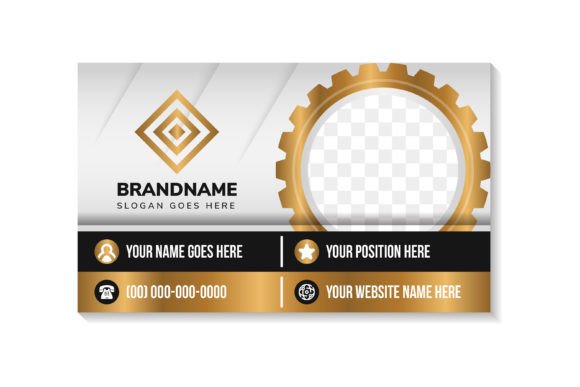
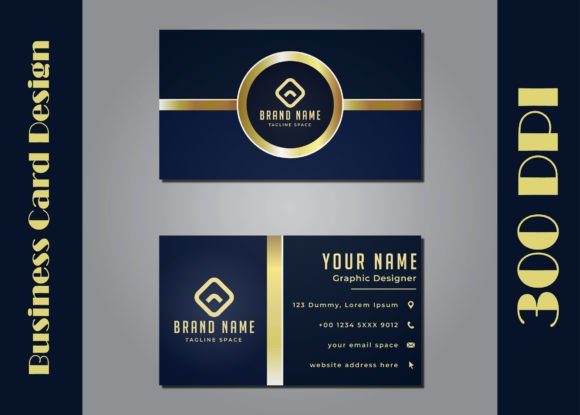
Foil stamping applies a thin layer of metallic or pigmented film to the card using heat and pressure. This technique is synonymous with luxury and exclusivity. Gold, silver, rose gold, and holographic foils can be used to highlight key elements such as the name, logo, or borders. The contrast between the reflective foil and the matte or textured background creates a striking visual hierarchy. In the context of Luxury Modern Business Card Design 5, foil accents are often used sparingly to maintain elegance rather than overwhelming the viewer.
Die-Cutting and Spot UV
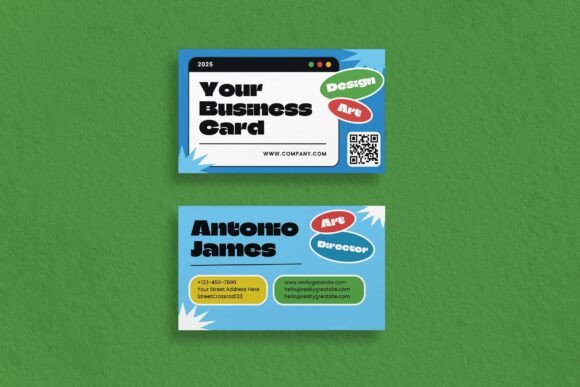
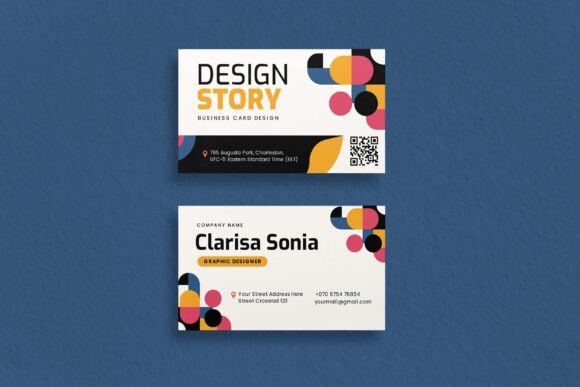
Die-cutting allows for non-rectangular shapes, enabling designers to break free from the traditional square format. Unique shapes can reinforce brand identity, such as a rounded corner for a tech startup or a geometric cutout for a creative agency. Alternatively, spot UV coating applies a glossy varnish to specific areas of the card while leaving the rest matte. This creates a textural contrast that draws the eye to important information, such as a QR code or contact details, guiding the user’s focus naturally.
Digital Deliverables and Workflow Integration
One of the most significant advantages of working with professional design services is the provision of high-quality vector files. Unlike raster images (such as JPEGs or PNGs), which lose quality when scaled up, vector files are composed of mathematical paths that remain crisp at any size. Receiving a High Quality Vector File of Business Card Design ensures that the artwork can be reproduced flawlessly across various media, from large banners to tiny mobile icons.
It is important to note that these vector files typically require specialized software to open and edit. Adobe Illustrator is the industry-standard tool for handling .ai or .eps files. Clients who receive these files gain the flexibility to make minor text adjustments in the future or to adapt the design for other marketing materials without needing to hire a designer again. This long-term utility adds value to the initial investment, ensuring that the brand assets remain versatile and usable.
File Formats and Compatibility
- .AI (Adobe Illustrator): The native format for Illustrator, preserving all layers, effects, and editable text.
- .EPS (Encapsulated PostScript): A widely compatible vector format suitable for most professional printers.
- .PDF (Portable Document Format): Often preferred by printers for its consistency across different operating systems, provided it contains embedded vectors.
Understanding these technical requirements helps bridge the gap between creative vision and physical production. Clear communication about file specifications prevents errors during printing and ensures that the final product matches the digital mockup exactly.
Eco-Friendly Options in Luxury Design
Sustainability is no longer a niche concern but a core expectation for many modern consumers. The demand for eco-friendly business cards has risen sharply, prompting designers to innovate with recycled materials and soy-based inks. Luxury Modern Business Card Design 5 can seamlessly incorporate sustainable practices without compromising on aesthetics.
Recycled cotton or wood-pulp papers offer a distinct, slightly textured look that appeals to environmentally conscious brands. These materials often have a softer, more organic feel compared to virgin paper stocks. Furthermore, plantable business cards infused with seeds allow recipients to grow wildflowers or herbs after reading the information, turning a discarded item into a living reminder of the brand. This innovative approach demonstrates creativity and responsibility, two traits highly valued in today’s corporate landscape.
Implementing Your Custom Design Strategy
Selecting the right business card design involves aligning visual choices with brand goals. For professionals seeking to enhance their image, the process should begin with a clear understanding of the target audience. Are they traditionalists who prefer classic serif fonts and heavy cream paper? Or are they innovators who appreciate bold sans-serif typography and unconventional cuts?
Collaborating with expert designers allows for personalized solutions that meet these diverse needs. Whether the goal is to project stability through a minimalist layout or to spark conversation with a die-cut shape, every element should serve a purpose. The integration of premium finishes like embossing and foil stamping elevates the card from a mere contact slip to a branding tool that leaves a lasting impression.
Ultimately, the success of a business card lies in its ability to facilitate connection. By prioritizing quality, thoughtfulness, and design excellence, professionals can ensure that their first physical interaction with a client sets the tone for a strong, enduring relationship. Investing in Luxury Modern Business Card Design 5 is not just about purchasing a product; it is about curating an experience that reflects the highest standards of professional conduct and artistic integrity.