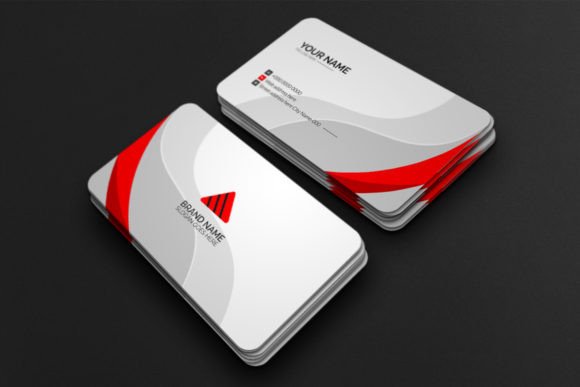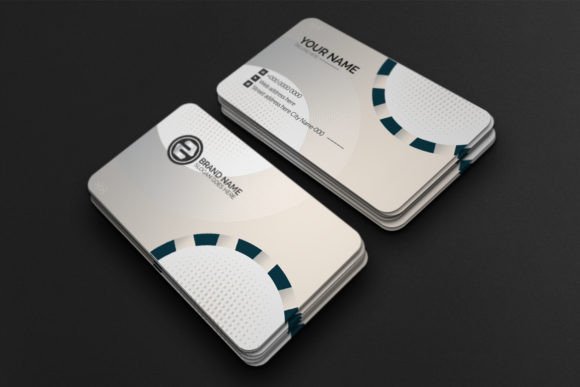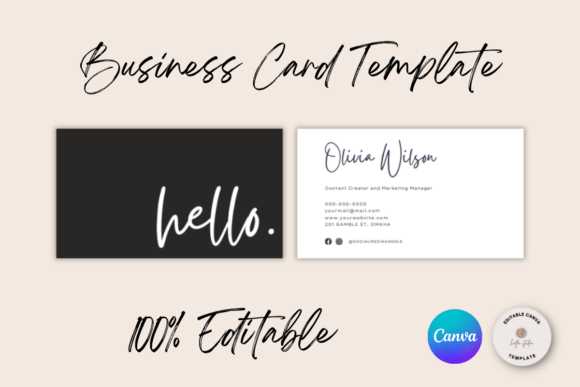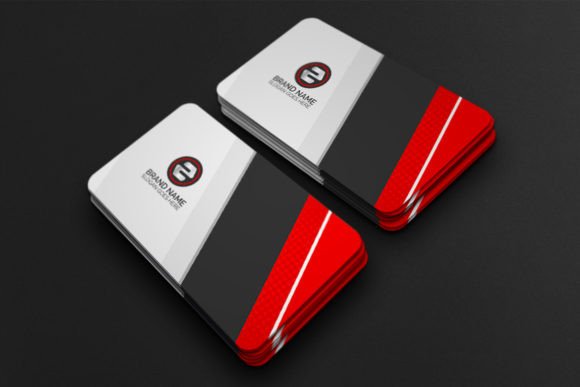
Corporate Business Card Visiting Card Design
In an era where digital networking is instantaneous, the physical exchange of a Corporate Business Card Visiting Card remains a pivotal moment in professional relationship building. It is often the first tangible impression you leave on a potential client, partner, or employer. However, not all cards are created equal. A poorly designed card can undermine years of hard work, while a thoughtfully crafted one serves as a lasting ambassador for your brand. This article explores how utilizing a fully customizable template compatible with Adobe Photoshop and Illustrator can elevate your professional presentation, streamline your workflow, and ensure your identity stands out in a crowded market.
The Strategic Value of Professional Presentation
Your business card is more than just contact information; it is a microcosm of your brand’s ethos. When you hand over a card, you are communicating attention to detail, reliability, and aesthetic sensibility before you even speak. For professionals ranging from freelance marketers to small business owners, the visual quality of this document directly influences perceived value. A high-resolution, well-structured design signals that you take your craft seriously.
Consider the scenario of a creative director meeting a prospective client. If the card features muddy colors, misaligned text, or low-resolution graphics, it subtly suggests a lack of precision in their larger projects. Conversely, a crisp, vector-based design demonstrates technical competence. By using a template that supports CMYK Color mode at 300dpi, you ensure that the printed output matches the digital preview, eliminating the frustration of unexpected color shifts or pixelation. This level of quality control is essential for maintaining a consistent and professional image across all touchpoints.
Technical Specifications That Matter
Understanding the technical backbone of your design files is crucial for achieving a polished final product. The specifications provided in this template are tailored for print readiness, which is often where amateur designs fail. Here is why these details are significant for your project:
- CMYK Color Profile: Unlike RGB screens, printers use Cyan, Magenta, Yellow, and Key (Black) inks. Designing in CMYK ensures that the vibrant colors you see on your monitor translate accurately to paper, preventing dull or washed-out results.
- 300dpi Resolution: This dots-per-inch standard is the industry benchmark for sharp, clear printing. Lower resolutions result in blurry text and jagged edges, which can make even simple designs look unprofessional.
- Standard Dimensions: With options for 3.5×2 and 2×3.5 inches, the template adheres to global standards for business cards. This familiarity ensures your card fits comfortably in wallets and cardholders, increasing the likelihood that it will be kept rather than discarded.
- Bleeds and Margins: Proper bleed settings prevent unwanted white borders when the card is trimmed. This technical detail is often overlooked by beginners but is critical for a clean, edge-to-edge design.
By selecting a template that already incorporates these specifications, you save hours of troubleshooting and reduce the risk of costly printing errors. This allows you to focus on creativity rather than technical corrections.
Flexibility Through Dual-Software Compatibility
One of the most significant advantages of this Corporate Business Card Visiting Card template is its compatibility with both Adobe Illustrator and Adobe Photoshop. This dual support caters to different workflows and skill sets, making it accessible to a broader audience.
For graphic designers and those comfortable with vector editing, the included Illustrator File (AI) offers non-destructive editing. Vector shapes are infinitely resizable without losing quality, meaning you can adjust layout elements or resize components with ease. The inclusion of IDML files further enhances this flexibility, allowing users of older Illustrator versions to open and edit the file seamlessly. Additionally, the presence of paragraph styles streamlines typography management, ensuring consistency across headings, body text, and contact details.
For photographers, illustrators, or users who prefer raster-based editing, the Photoshop File (PSD) provides a robust alternative. The PSD file includes separate layers, giving you granular control over each element of the design. Whether you need to swap out a background image, adjust a shadow effect, or modify text placement, the organized layer structure makes these tasks intuitive. This versatility ensures that whether you are a seasoned designer or a hobbyist looking to create a personal brand, you have the tools necessary to execute your vision.
Simplifying the Customization Process
A common barrier to creating professional designs is the time and expertise required. This template addresses that challenge by offering an easy editable environment. The inclusion of free font use links removes the hassle of sourcing and licensing typefaces, which can be a legal minefield for businesses. By providing direct access to the fonts used in the design, the template ensures that your final print matches the preview exactly, avoiding substitution issues that can alter the design’s character.
The process of customization becomes a matter of personalization rather than construction. You can update your name, title, phone number, and email address quickly, leveraging the pre-set paragraph styles to maintain hierarchy and readability. The vector shape elements allow for easy modification of icons or decorative accents, enabling you to tailor the aesthetic to your specific industry. For instance, a tech entrepreneur might choose sleek, geometric lines, while a baker might opt for warmer, organic curves—all within the same structural framework.
Comprehensive File Delivery for Every Need
The completeness of the download package reflects a commitment to user success. The ZIP archive contains everything needed to start designing immediately, including:
- AI File: A single file containing both sides of the card in Adobe Illustrator CC format, ideal for vector-based adjustments.
- JPG Files: Three separated files provide quick previews or ready-to-use raster images for digital platforms where vector files are not supported.
- EPS File: The Vector EPS File added to the package ensures compatibility with other design software and legacy systems, offering an additional layer of accessibility.
- Help File: A guide is included to assist users in navigating the files, understanding the layer structure, and preparing the documents for print.
This comprehensive approach means you do not need to hunt for additional resources or worry about missing assets. Everything is centralized, reducing friction and allowing you to move from concept to print efficiently.
Who Benefits Most From This Template?
While any professional can benefit from a high-quality card, certain groups will find this template particularly valuable. Entrepreneurs and small business owners often wear many hats, including marketing and design. This template provides a professional foundation without requiring extensive design training. Freelancers and creators such as bloggers, educators, and publishers can use the customizable nature of the card to reflect their unique niche, adjusting colors and fonts to match their online branding.
Marketers and corporate professionals may appreciate the strict adherence to print standards (CMYK, 300dpi, bleeds), which ensures their materials meet corporate guidelines and look polished in formal settings. Even hobbyists looking to launch a side hustle can leverage this template to establish credibility early on, presenting themselves with the same professionalism as established brands.
Considerations for Optimal Results
While this template offers significant advantages, it is important to approach it with realistic expectations. It is a design asset, not a substitute for strategic thinking. The content on your card—your message, clarity of contact info, and call to action—must be carefully considered. A beautiful design cannot compensate for vague or incomplete information.
Additionally, while the template is "easy customize," users should still proofread meticulously. Typography choices, while guided by paragraph styles, should remain legible. Avoid overcrowding the card with too much text; whitespace is a powerful tool for guiding the eye and enhancing readability. Finally, always request a physical proof from your printer before running a large batch. Screen colors can differ from print outputs, and a test print allows you to verify alignment, color accuracy, and cut quality.
Conclusion
The Corporate Business Card Visiting Card template represents a smart investment of time and resources for anyone seeking to enhance their professional presence. By combining technical rigor with creative flexibility, it empowers users to produce high-quality, stylish, and professional cards that stand out. Whether you are launching a new venture or refreshing your existing brand, this tool provides the structure and freedom needed to make a lasting impression. In a world where first impressions count, ensuring your business card is visually compelling and technically sound is a small step with a significant impact.