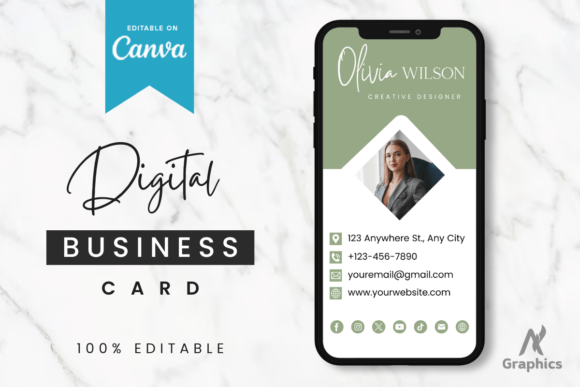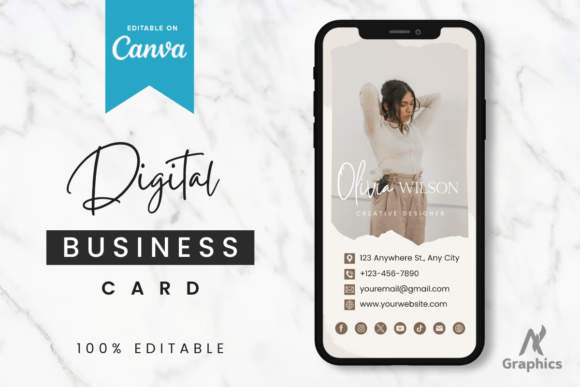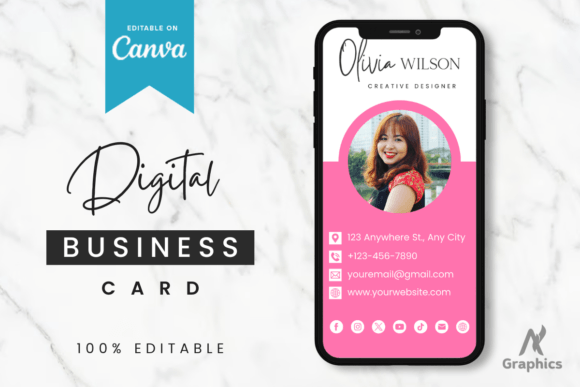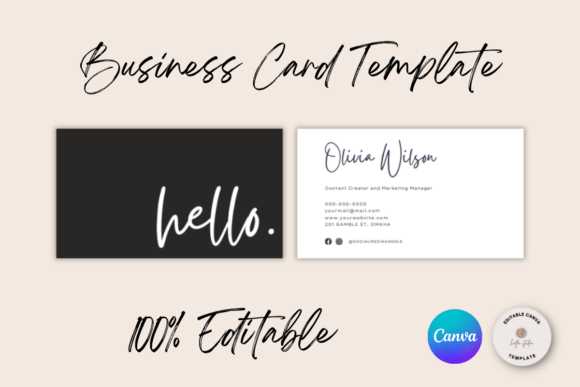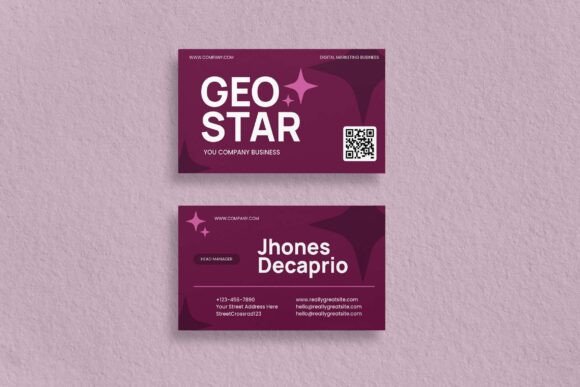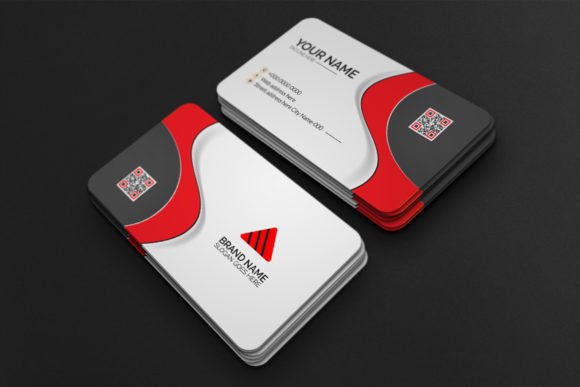
Abstract Business Card Template
In a world where first impressions happen in the span of a few seconds, your business card is often the physical manifestation of your brand. It is not just a piece of paper; it is a tactile reminder of who you are and what you do. For designers, freelancers, entrepreneurs, and creatives, the challenge has never been about having information to share—it is about presenting that information in a way that feels intentional, polished, and memorable. This is where an Abstract Business Card Template shifts from being a simple design asset to a strategic tool for professional presentation.
The term "abstract" might sound artistic or overly complex, but in the context of modern branding, it usually means clean, minimal, and versatile. An abstract design avoids clutter, allowing your name, title, and contact details to take center stage without competing with loud graphics or outdated clip art. Whether you are a graphic designer showcasing your portfolio, a consultant pitching to clients, or a small business owner handing out cards at a local market, the right template provides the structure you need to look established before you even speak.
Why Customizability Matters More Than You Think
Many people download templates and assume they are ready to print immediately. While some pre-made designs work out of the box, the real value lies in how easily you can adapt them to your specific needs. The Abstract Business Card Template described here is built for flexibility. It is fully customizable and compatible with both Adobe Photoshop and Adobe Illustrator, two industry-standard tools that most creative professionals already have access to.
Consider the scenario: You are a freelance photographer. Your standard card needs to reflect your artistic eye, so you choose a layout that emphasizes whitespace and typography. However, when you start teaching workshops, you might want a slightly different version that highlights your educational credentials. With this template, you aren't locked into one static image. You can tweak the vector shapes, adjust paragraph styles, and swap out fonts to create variations that fit different contexts. This adaptability saves time and ensures consistency across all your marketing materials.
Real-World Use Cases for Abstract Design
Understanding where and when to use an abstract business card template helps you maximize its potential. Here are several realistic scenarios where this type of design shines:
- Networking Events and Conferences: When you are at a crowded event, you want your card to stand out on a table full of others. A clean, abstract design with high contrast and sharp lines catches the eye without screaming for attention. It signals professionalism and confidence.
- Digital Portfolios and Freelance Profiles: If you send digital copies of your card via email or LinkedIn, the vector nature of the source files ensures that your logo and text remain crisp at any size. There is no pixelation, which maintains a premium feel even on high-resolution screens.
- Creative Agencies and Studios: For agencies, the business card is often the first touchpoint for a potential client. An abstract template allows you to play with color palettes and geometric shapes that align with your agency’s visual identity. It shows that you understand design principles beyond just placing text on a page.
- Educators and Coaches: Teachers, tutors, and life coaches often need to appear approachable yet authoritative. A minimalist abstract design strikes this balance. It removes distractions and focuses on clarity, making it easy for students or clients to read your contact information quickly.
- Small Business Owners: For café owners, boutique retailers, or service providers, a consistent brand image is crucial. Using a template that includes proper bleeds and CMYK color settings ensures that the printed result matches your digital vision, reinforcing brand trust.
Technical Features That Translate to Better Results
It is easy to get lost in technical jargon, but certain file specifications directly impact the quality of your final product. Let’s break down what the included features actually mean for you as a user.
First, the template includes IDML files. These are InDesign Markup Language files, which allow for advanced layout control if you use Adobe InDesign. However, the inclusion of both Illustrator (AI) and Photoshop (PSD) files makes it accessible to a wider range of users. If you are comfortable editing vectors in Illustrator, you can manipulate shapes and paths effortlessly. If you prefer working with layers and raster effects in Photoshop, you have that option too. This dual compatibility means you don’t need to learn a new software just to edit your card.
The template also comes with paragraph styles and separate layers. Paragraph styles ensure that your headings, subheadings, and body text maintain consistent formatting throughout the document. Separate layers mean you can hide or show elements without affecting others. For example, you might want to keep the back design constant while changing only the front text for different job titles. This level of organization reduces errors and speeds up the editing process.
Another critical feature is the inclusion of bleeds. Bleed refers to the area outside the trim line that gets cut off during printing. By including bleeds in the template, you ensure that background colors or images extend to the very edge of the card without leaving unwanted white borders. This is essential for achieving a professional, edge-to-edge print finish.
Color and Resolution Standards
The template is set to CMYK color mode and 300 DPI resolution. CMYK (Cyan, Magenta, Yellow, Key/Black) is the standard color model for printing, whereas RGB is used for screens. Starting with CMYK prevents unexpected color shifts when your design goes to print. 300 DPI ensures that your text and graphics are sharp and clear, avoiding blurriness in the final output. These settings are pre-configured so you don’t have to worry about technical mistakes that could ruin your print run.
What’s Inside the Download?
When you acquire this template, you receive a comprehensive package designed to get you started quickly. The ZIP archive contains:
- Illustrator File (AI): A single file containing both sides of the business card. This is ideal for vector-based editing and scaling.
- JPG Files: Three separated JPG files are included. These provide quick previews and can be used for basic viewing or non-editable sharing.
- Vector EPS File: An additional vector format that offers further compatibility with various design programs.
- Help File: Instructions to guide you through the customization process, ensuring you can navigate the layers and styles effectively.
The template uses free fonts, which are linked in the download. This is a significant benefit because it eliminates the hassle of purchasing expensive licenses for every font you use. However, always double-check the license terms of any free font to ensure compliance, especially if you plan to use the cards for commercial purposes on a large scale.
Things to Consider Before You Print
While the template makes the design phase easy, there are practical steps you should take before sending your cards to the printer. First, verify the dimensions. The template supports 3.5×2 inches and 2×3.5 inches formats. Standard US business cards are typically 3.5 by 2 inches, but some regions or specialized printers may use different sizes. Ensure your chosen printer accepts these dimensions to avoid costly reprints.
Second, proofread everything. Even with perfect design, a typo can undermine your credibility. Since the template allows for easy editing, take advantage of spell check and have someone else review the text. Third, consider the paper stock. An abstract design often relies on negative space and clean lines, which look best on high-quality, textured paper. Glossy finishes can enhance colors, while matte finishes offer a sophisticated, understated look. Experiment with samples if possible.
Finally, think about your workflow. If you frequently update your contact information, keeping the template organized with named layers and saved styles will make future edits much faster. Treat the template as a living document that evolves with your career. Whether you are just starting out or refining your brand after years in business, having a reliable, editable, and stylish foundation like the Abstract Business Card Template can save you time and help you present yourself with confidence.